

 Membergate

Linen: Your Customers Love it, You (might) Hate it
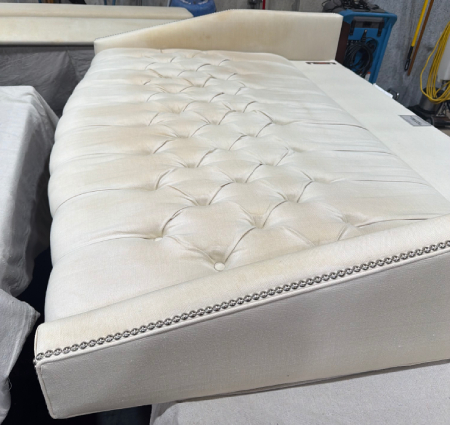
Linen has become one of the most popular fibers to be used in upscale furnishings lately. It is being used in upholstered furniture, headboards for beds, area rugs, and even wall to wall carpet.
Unfortunately for those who purchase items made from linen, it does not perform well in heavy usage situations and has become the most challenging material to clean for the cleaning industry.
Why Is Linen a Problem?
Unlike cotton, which it superficially looks like, linen is made from flax, not the fibers of a cotton seed. This difference makes it more susceptible to browning, and conversely, more resistant to bleaching. This means you can cause it to brown out more easily than cotton, but it may be far harder to remove the browning that you cause later!
What Can Cleaners Do to Stay Out of Trouble:
-
VLM is Your Friend: “Very Low Moisture” Cleaning (sometimes less correctly called “encap cleaning”) with a neutral cleaner designed for upholstery will safely clean linen fabrics that have not become heavily soiled. Your goal should be to look out for linen in your customers' homes and point out the need to have it cleaned before heavy soiling makes VLM less effective.
- Be “pH Aware”: There are two critical factors when it comes to pH with linen:
pH ranges above 8 breakdown the lignin content in linen. If you use any products with a pH of 8 or above, expect browning to occur.
Should you have a linen brown out on you, acidic treatments such as are used for urine spotting (not peroxide based stain removers) that have a pH of 2 or lower will often reverse browning. - You CAN “Take it With You”: Should you be asked to clean linen that has become heavily soiled, arrange to transport it to your location where you can clean it in a controlled environment. In such places, the use of specialty products, limited moisture, and controlled humidity can help you to restore heavily soiled linen with minimal risks.
- Don't Be Fooled by Labels: “Performance Fabric” is a term that initially indicated that a fabric was made from polyester. This is NO LONGER TRUE! There are several polyester/linen blends being sold today that will not perform well at all, and are actually more at risk for browning than pure linen due to the low absorbency quality of polyester causing moisture to rapidly shed and then be deeply absorbed into the linen fraction of the blend.
If you are going to be cleaning upholstery, you are going to be cleaning linen. Your best course of action is to learn how to identify it, gain the knowledge of how to clean it safely, and also inform your customers of the limitations and risks involved with caring for their belongings.
Coming Soon . . .
******************************
Jim Pemberton's
Fabric Pro Upholstery Specialist Workshop
"Specialist" Course With Extensive "Hands On" Training
Class size is very limited for personal attention purposes, so register today.
April 23 - 24, 2027
Chicago, IL
How Can You Benefit From This?
Click here for complete class details
******************************
Click Here to Register for a class
Next Available Date?
Click Here for The Learning Center Calendar


