

 Membergate

How To Prevent Texture Damage When Cleaning Upholstery
The “Hippocratic Oath” of the medical community starts with “First, do no harm.” The same oath should be taken by upholstery cleaners. This comment can cover a number of things we do as cleaners, but for this article, I would like to focus on texture damage during cleaning.
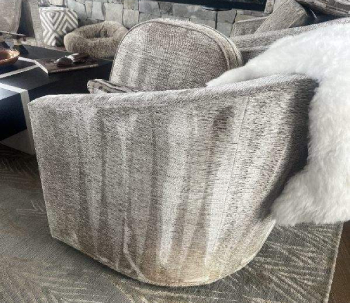
Here are ways to minimize texture distortion and damage when cleaning velvet, chenille, and other pile fabrics.
- Identify the fiber type in the pile. Synthetic, Regenerated Cellulose, and Natural Fiber fabrics have different issues that you need to address.
- Synthetic fiber content: Keep your heat lower than 180 f. With some metal cleaning tools and certain jet placement designs, you can create permanent texture damage on synthetic fibers if your water is too hot.
- Natural or Regenerated Cellulose fiber content: If the fabric has natural or regenerated cellulose fiber content, you have some more work ahead of you:
- Test: Determine the exact fiber content if possible
- For Regenerated Cellulose (Viscose, Rayon, Tencel, Acetate): Use a
preconditioning agent that contains cationic surfactants. Rug cleaning shampoos labeled for this use, such as RCI SRS and Deodorizing Rug Shampoos, will help to avoid distortion by keeping the fibers from clinging together, and also clean them better. - For Cellulose (Cotton, Linen) or Protein Fibers (Wool, Silk): Use a neutral preconditioning agent.
- Cleaning Tool: Use a tool specifically designed to avoid vacuum and jet distortion on the fabric. The best such tool is the JubiLee Upholstery Cleaning Tool.
- Special Note for Non-Contact Areas: The sides and backs of natural fiber velvet fabrics are the most easily distorted, and most difficult to correct during grooming. Mist and wipe those areas with a flat folded towel (do NOT mist and vacuum…the vacuum step on a wet fabric will cause distortion)
- Rinse extract: Use either clear water (especially on regenerated cellulose fibers) or acidic rinses (especially if you used an alkaline upholstery preconditioner).
- Soften: Apply a fabric softening agent. One such product is Finished by RCI.
- Groom: Use fabric grooming brushes to align the pile of the fabric, remove cleaning marks, and assure a soft finish.
- Test: Determine the exact fiber content if possible
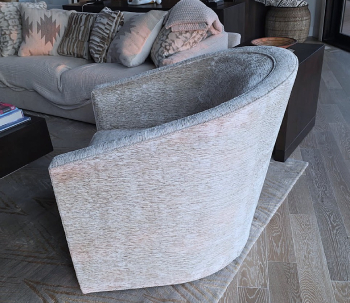
Coming Soon . . .
******************************
Jim Pemberton's
Fabric Pro Upholstery Specialist Workshop
"Specialist" Course With Extensive "Hands On" Training
Class size is very limited for personal attention purposes, so register today.
New Date Announced!
August 14 - 15, 2026
Attleboro, MA
New Class Coming to Florida later this year!
How Can You Benefit From This?
Click here for complete class details
******************************
Click Here to Register for a class
Next Available Date?
Click Here for The Learning Center Calendar


