

 Membergate

Beware! "S" Coded Fabrics That Create Unrealistic Customer Expectations!
It's not unusual to have a customer present you with a fabric like the one shown below, with an "S" code tag attached. This "S" code, if you have not encountered it before, states that the manufacturer recommends only the use of dry cleaning solvents for cleaning the fabric to which it is attached.
Most cleaning professionals (and rightly so,) believe that such fabrics are nearly always cleanable with water based cleaning agents. However, these same professionals often decide to wet clean without making sure their customer has a clear understanding of why using water to clean is far better for all concerned.
The Importance of Establishing a Pre-Understanding
with Your Customer About Cleaning Code Tags:
FACT:
When cleaning natural fiber fabrics, especially those that are heavily soiled, it is virtually impossible to avoid some texture change and a slight color loss.
OBSERVATION:
Customers will rarely notice a bit of texture change and a slight color loss when observing the outstanding cleaning results which converts their formerly unsightly furniture to a bright, soft, and fresh smelling condition.
BE AWARE OF THIS CAUTION:
However, the warnings against the use of water based cleaning agents on a "S Cleaning Code" tag can easily create a hyper awareness of any texture or color changes, causing their attitude to change dramatically!
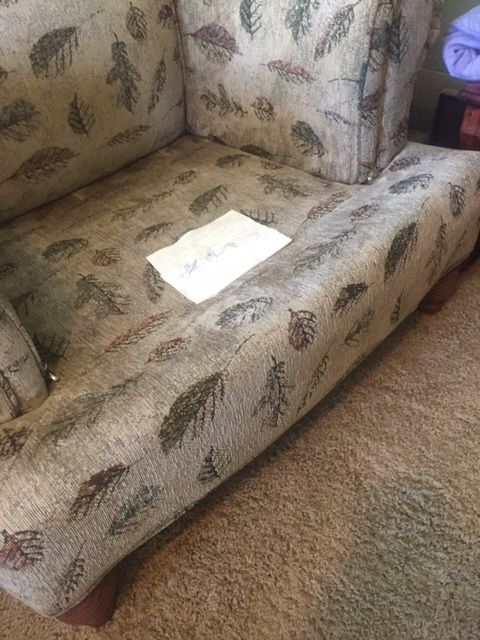
Observe this "S" Code fabric that a cleaner was asked to clean.
What problems do you see?
# 1. The fabric has a velvet pile (which are easily distorted over time by the customer, as well as by the spotting and cleaning process.
# 2. The fabric has dark colors in relation to a light background. This is the type of fabric that can experience color bleeding or color loss from cleaning.
Almost all of the fabrics that you'll see like this can be cleaned with water based products. However, it is important to use neutral Ph products to keep dyes stable, plus extensive grooming, which should include the use of fabric softening agents that will help to restore the look and feel of the fabric.
Even when that nearly always safe procedure is used, if the customer is aware of the "S" Code, anything less than perfection in nap restoration or color stability will be seen as caused by you failing to follow the manufacturer's directives.
Important Steps You Can Take to Stay Out of Trouble:
Step #1 - Communicate With Your Customer:
Tell the customer that you are capable of dry cleaning the fabric, but based on the soil level present, you don't believe that the appearance will be improved. If they insist on having it dry cleaned, you need to establish a clear understanding in writing that they will accept the results. You might, on the other hand, decide to turn it down rather than do something that you know in advance won't satisfy them.
Step #2 - "See the End From the Beginning"
When you evaluate the "big picture", you are better off not investing the time and effort to dry clean it, especially if you know it won't make them happy. Even with written understandings, your customer will resent this, and will very likely no longer remain a customer.
Keep in Mind:
Resentful customers are those most likely to give negative reviews on social media!
If, on the other hand, they are open to you cleaning with water based solutions;
[#1] USE THE LEAST MOISTURE POSSIBLE, combined with detergents that are proven safe for natural fiber fabrics.
[#2] Remind your customer that this method will clean better than solvents, and will leave the fabric soft and fresh smelling, as opposed to the lingering unpleasant smells of dry cleaning solvent.
[#3] Reinforce the fact that while there may be slight color and texture changes, these changes will be less noticeable than the current level of soil, and likely already exist because of the long term exposure to soil.
SUMMARY:
Talking to your customer and more importantly LISTENING to their concerns or fears may seem time consuming and frustrating, but you'll find that it increases their trust in you as an authority, and the result will be a happy customer and less potential of costly re-cleaning visits or damage claims.
Coming Soon . . .
******************************
Jim Pemberton's
Fabric Pro Upholstery Specialist Workshop
"Specialist" Course With Extensive "Hands On" Training
Class size is very limited for personal attention purposes, so register today.
New Date Announced!
March 27 - 28, 2026
How Can You Benefit From This?
Click here for complete class details
******************************
Click Here to Register for a class
Next Available Date?
Click Here for The Learning Center Calendar


