

 Membergate

My Carpet Looks Worse Than Before You Cleaned It!
This is NOT the type of call
you want to receive the day
after you clean a carpet!
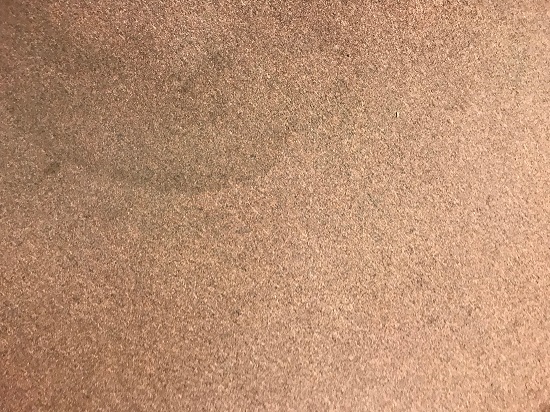
To your customer, it almost seems like a "dirty trick" was played on her, since the carpet that looked so nice, and made her happy to pay you for, now looks as dirty and possibly worse, than it did before you cleaned it!
What has occurred is a process known as "wicking".
Wicking occurs when heavy soil accumulations at the base of the carpet yarns become wet, but are not thoroughly removed during the extraction process. During the drying process, this "wet soil" migrates upward through the damp yarns, and leaves the carpet appearing to be "dirty again" once it dries. This "dirty trick" obviously upsets your customer. You will now need to provide a careful and time consuming explanation and re-service on your part.
Wicking may also occur when a large liquid spill occurs, and the sticky ingredients in the beverage wick to the top along with soil.
HOW CAN THIS PROBLEM BE PREVENTED?
1. Properly Vacuum the Carpet First
Many cleaners who use hot water extraction mistakenly believe that the vacuum of their powerful extraction equipment makes vacuuming first a needless and time consuming step.
(Nothing Could Be Further From The Truth! )
SPECIAL NOTE: When you vacuum the carpet before it becomes wet with preconditioning pre-spray, and later with your extraction solution, the soil embedded at the base of the carpet comes up much easier, and is far less likely to become "wicking material" that shows up later.
2. Extract the Carpet Thoroughly
You can't just "scrub and run". As a wise cleaner once said: "There is no system of cleaning that pulls all the dirty water out and leaves only clean water in the carpet." Or, said another way: "Wet carpet is full of dirty water". The better you extract your cleaning solution with "dry passes", the cleaner the carpet will be, and the less material that may remain to wick up in the end.
3. Treat with an "Anti Wicking Agent"
Most anti-wicking agents act as both soil retardants as well as "wicking preventers". These treatments leave a soil retardant coating that prevents any remaining soil from wicking up the fiber, and after drying, prevents dry soil from attaching to the fiber as well. This means that the treatment will not only keep you from needing to return later to correct a problem, but also will provide your customer better long term performance of their carpet, as routine vacuuming will remove more soil than might have otherwise been possible.
Final Note:
Soil retardant anti-wicking agents do not do "the same job" as a fluorochemical carpet protector. They will not protect against water based or oily spills, as an example. Use these treatments to prevent wicking, and if you wish, as an economical or free add on sale to your customer to enhance soil removal during the vacuuming process.
--------------------------------------------------
If you'd like to know more about cleaning upholstery, and how to “do it right” the first time, every time, join me at our next Fabric Pro Class.
Coming Soon . . .
******************************
Jim Pemberton's
Fabric Pro Upholstery Specialist Workshop
"Specialist" Course With Extensive "Hands On" Training
Class size is very limited for personal attention purposes, so register today.
Please Join Us Here - December 4 - 5, 2025 in McKeesport, PA
OR January 9 - 10, 2026 in Farmingdale, NY
How Can You Benefit From This?
Click here for complete class details
******************************
Click Here to Register for a class
Next Available Date?
Click Here for The Learning Center Calendar


