

 Membergate

Fabric Protector: Are You Ruining Its Effectiveness?
As fine fabric specialists, we should be
constantly aware if our cleaning process
might affect the color, texture, and
useable life of the material.
If in your marketing you claim that your cleaning extends the life of furniture fabric, you should then ask yourself if your cleaning process will interfere with the performance of any fabric protector that was applied (1) when the furniture was made, (2) by the furniture store, (3) by a designer, or (4) by a cleaner who cleaned the item previously. This is especially important if there is a warranty connected to the protective treatment service.
The fluorochemical protectors applied today are very durable, and are unlikely to be “cleaned off”. However, the use of strong alkaline presprays with solvent boosters (which are often needed on heavily soiled, synthetic fiber fabrics), very well may damage the protector to the extent that it won't perform as well as it once had. In such cases, you should reapply protector after cleaning, for an appropriate additional charge, of course.
The following pictures show protector that is damaged, then repaired:
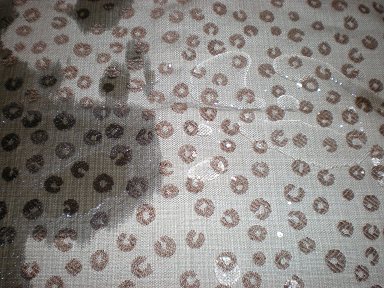
Picture 1: Note area where water has penetrated the fabric. This part of the fabric had a spot removed with a series of products used for removing oily stains.
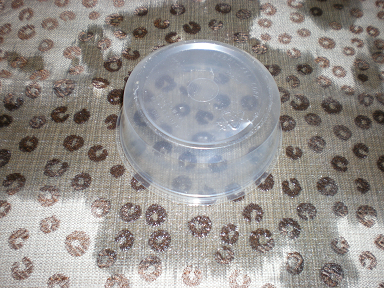
Picture 2: The plastic cup was placed over part of the damaged area. Protector was then reapplied to the surrounding damaged area that was not covered.
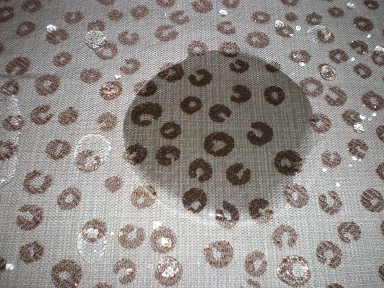
Picture 3: Water spilled on the retreated fabric. Only the area that was not “repaired” allowed water to penetrate.
SUMMARY:
Its difficult to know in advance if your cleaning process will damage a protective treatment. One rule of thumb might be, that if you need to use any series of spotting agents in sequence, and/or a preconditioning agent that contains alkaline detergent and solvent boosters, its likely the protector will be damaged during the cleaning process.
In a subsequent article, I'll share how residues affect protector even if its not damaged at all.
************************************
If you'd like to know more about how protector works and how to make it work for your business, join me at our next Fabric Pro workshop.
'Fabric Pro Upholstery Specialist' workshop!
[Next Available Date? Click Here For The Learning Center Calendar:]
This unique two day course is absolutely not a "Prep" course
to prepare you for another longer certification course.
In this two day course you'll receive all the essential
information not contained in other courses, without
the mind numbing additional information on fabric names,
dyeing processes, and chemistry that is “nice to know”,
but rarely “need to know” information for the
FABRIC PRO UPHOLSTERY SPECIALIST.
Jim Pemberton explains
why you need to attend . . .
www.ecleanadvisor.com/public/1074.cfm
Course contents and registration (click here)


