

 Membergate

Preservation Cleaning of Fine Fabrics
What would you do if you were asked to clean a piece of furniture with antique or heirloom value?
There are many cases where its more important to the individual owner, estate, museum, or historical society that a high value, very old item be cleaned, and that the original appearance, color, and texture be maintained, even if some soil and spots remain In such cases where items like this may be very valuable, as well as very delicate and easily damaged, your cleaning processes should be altered considerably, and in such cases you will be cleaning to preserve the fabrics structural integrity and overall original appearance instead of attempting removal of all soil and stains.
If you find yourself with such an opportunity, follow these procedures:
#1 - Inspect and Communicate:
This is the place you will decide if you are engaging in normal cleaning procedures or preservation cleaning. You need to establish what is the most important to your customer: Soil and stain removal, or the preservation of texture, color, and structural integrity. In very old fabrics. It is very rare that you can do both.
Even with careful preservation cleaning methods, very old fabrics may experience damage, or pre-existing damage may be revealed. Be sure to look carefully for the presence of such damage, or the potential of further damage, and note this is writing.
One distinct advantage is that people did not eat, drink, or sleep on high value furniture in the past, nor were pets allowed to rest (or urinate!) on furniture.
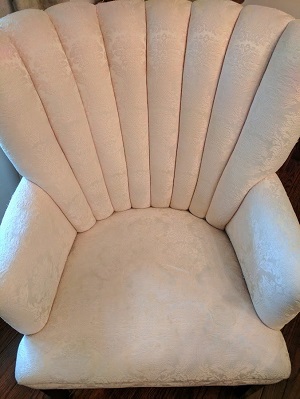
#2 - Protection:
Place a plastic screen over each area that will be vacuumed and extracted.
#3 - Dry Soil Removal:
Use a soft brush attachment on your vacuum hose, and gently vacuum through the screen. Avoid sealing a hard tool to the screen and avoid excessive vacuum, as damage to texture or the fabric itself may still occur through the screen.
#4 - Apply the Safest Cleaning Agents Possible:
Based on your tests and understanding of the dyes and fibers present, you may choose to use dry cleaning solvents, neutral or acidic detergents, or even just distilled water for soil removal. You could also choose to avoid all liquids and apply an absorbent powder cleaner, such as is used for dry extraction cleaning of carpet.
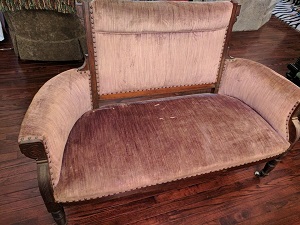
#5 - Extract:
If your tests and inspection indicate that its safe to do so, use a cleaning extractor that injects and vacuums away water based or solvent based cleaners such as you would use in other upholstery cleaning processes. This type of cleaning process should still be done through the screen.
In many cases, your extraction will instead be gentle blotting with absorbent towels to minimize wetting and distortion of textures and finishes.
You may also extract additional soil and moisture by using an absorbent spotting compound (not to be confused with a dry absorbent powder cleaner as mentioned above.)
If you use blotting or absorbent spotting compounds, you should vacuum the fabric once again when it is dry with your brush attachment and vacuum, through the protective screen.
#6 - Dry: Use air movers and dehumidifiers to dry the fabric rapidly.
If you are asked to clean high value items in this fashion, it would be far better to clean them at your location where you can control all factors, and work patiently and without time pressure. Be certain that your insurance policies cover transporting such items to your place, as well as while they are in your possession.
Coming Soon . . .
******************************
Jim Pemberton's
Fabric Pro Upholstery Specialist Workshop
"Specialist" Course With Extensive "Hands On" Training
Class size is very limited for personal attention purposes, so register today.
New Date Announced!
August 14 - 15, 2026
Attleboro, MA
New Class Coming to Florida later this year!
How Can You Benefit From This?
Click here for complete class details
******************************
Click Here to Register for a class
Next Available Date?
Click Here for The Learning Center Calendar


